
For many children living with disabilities, developmental delays, or complex medical needs, pediatric medical devices can be life-changing tools that support mobility, independence, communication, and overall quality of life.
Whether your child is beginning therapy, receiving a new diagnosis, or exploring equipment options for the first time, understanding pediatric medical devices can help you make informed decisions and advocate for the support your child needs.
What Are Pediatric Medical Devices?
Pediatric medical devices are specialized tools, equipment, and technologies designed specifically for children. Unlike adult equipment, these devices are created to accommodate a child’s size, growth, developmental stage, and unique medical needs.
These devices can help children participate more fully in everyday activities at home, school, therapy, and within their communities.
Common examples include:
- – Adaptive tricycles
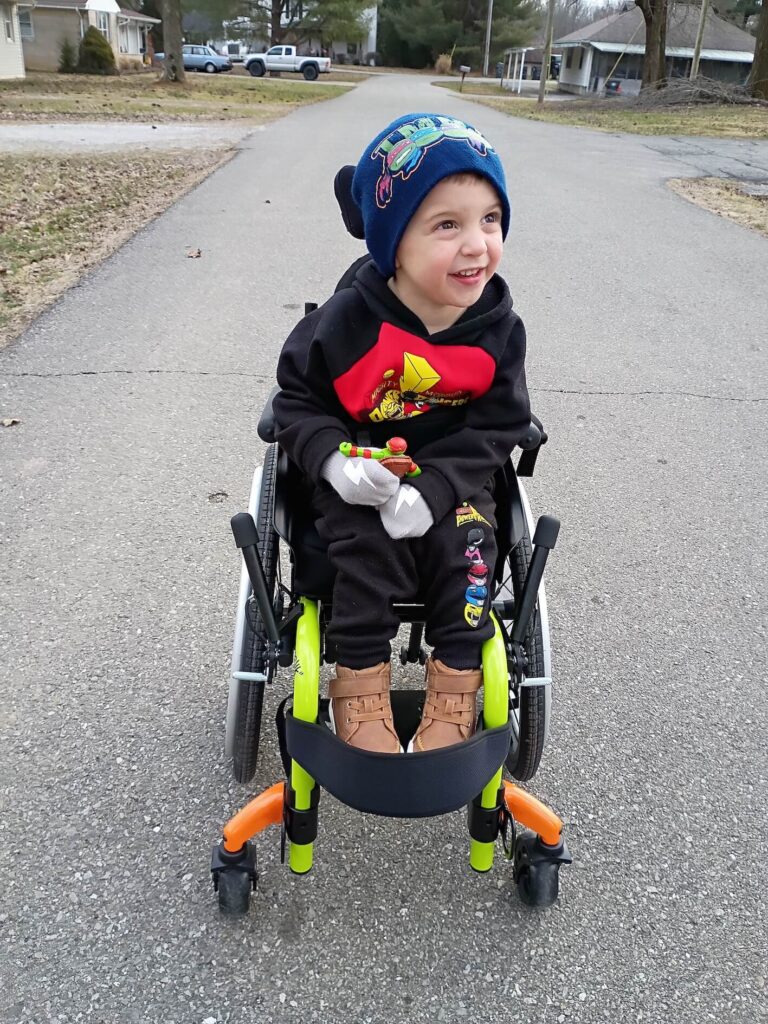
- – Wheelchairs and mobility devices
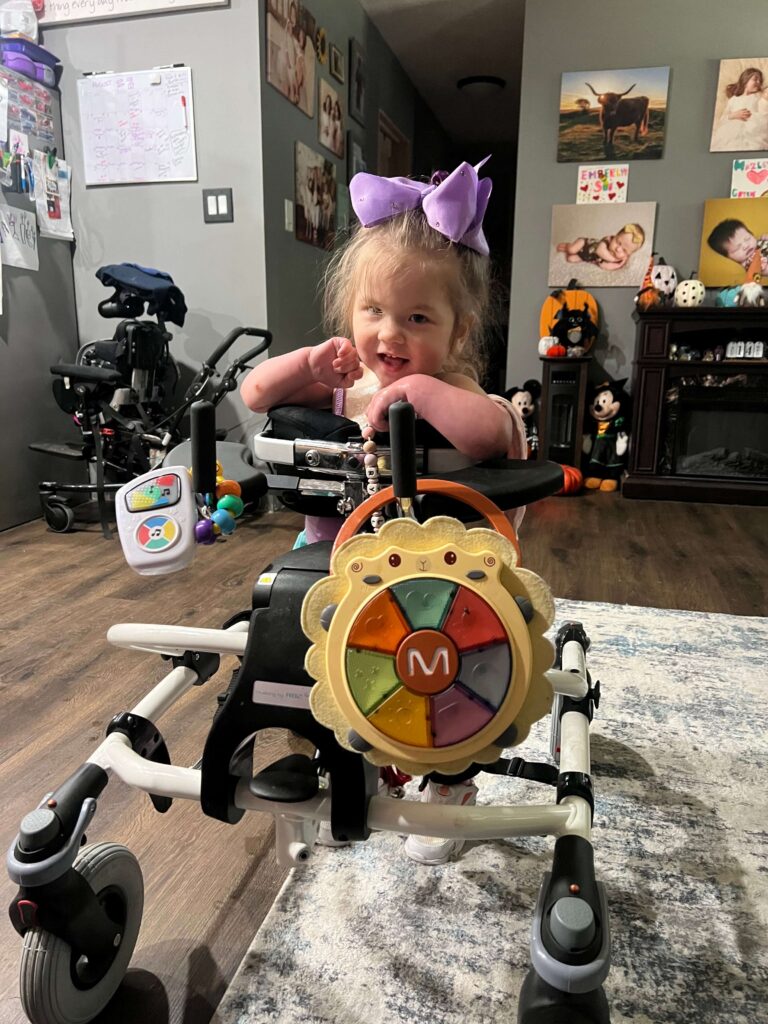
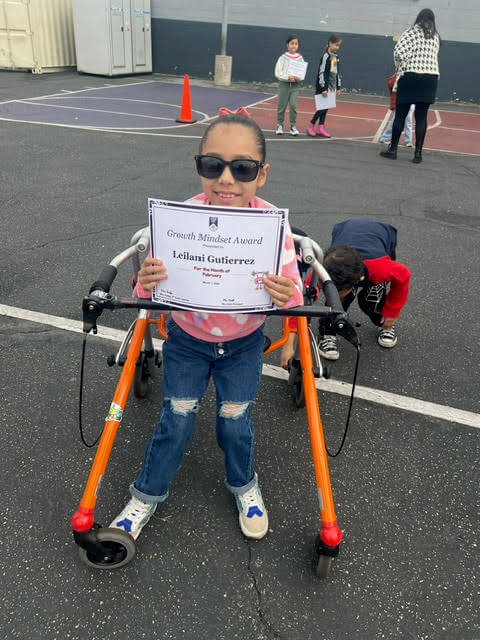
- – Gait trainers and walkers
- – Orthotics and braces
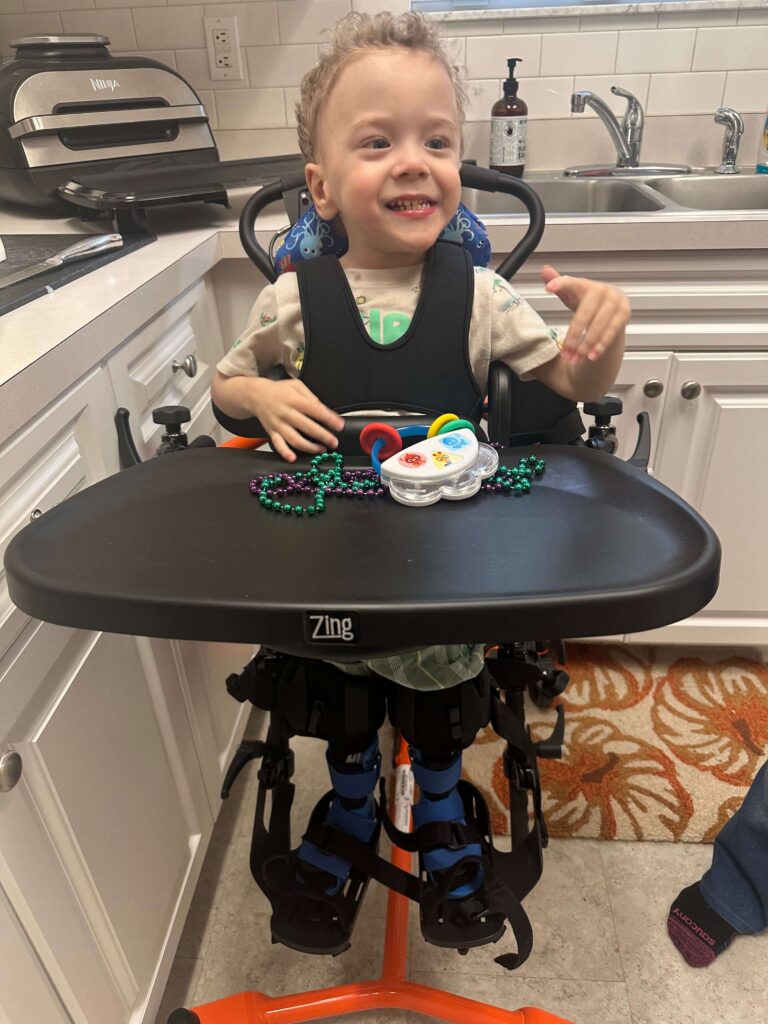
- – Standing frames
- – Communication devices (AAC devices)
- – Adaptive seating systems
- – Feeding and positioning equipment
- – Sensory and therapeutic equipment
Why Are Pediatric Medical Devices Important?
Medical devices often do much more than provide physical support. They can help children:
- – Increase independence
- – Improve mobility and strength
- – Enhance communication skills
- – Participate in social activities
- – Improve posture and positioning
- – Reduce caregiver strain
- – Support developmental milestones
- – Increase confidence and quality of life
For many children, the right device can open doors to experiences that may have previously been difficult or impossible.
Finding the Right Device
Every child is unique, which means there is no one-size-fits-all solution.
When considering a medical device, families should work closely with their child’s healthcare team, including:
- – Physical therapists
- – Occupational therapists
- – Speech-language pathologists
- – Physicians
- – Assistive technology specialists
These professionals can evaluate your child’s needs and recommend equipment that supports their goals while ensuring proper fit and safety.
Understanding Insurance Coverage
One of the biggest challenges families face is the cost of pediatric medical equipment.
While some devices may be covered by private insurance or Medicaid, coverage can vary significantly depending on the device, diagnosis, and policy requirements.
Families may need:
- – A physician’s prescription
- – Therapy evaluations
- – Letters of medical necessity
- – Prior authorization from insurance
Even with insurance approval, out-of-pocket costs can still be substantial. Organizations like the Maryam Parman Foundation for Children work to help families access therapies, equipment, and resources that can improve their child’s quality of life.
Final Thoughts
Pediatric medical devices are more than just equipment, they are tools that help children learn, communicate, move, and engage with the world around them.
While navigating equipment options, insurance approvals, and funding sources can feel overwhelming, families do not have to do it alone. By partnering with supportive organizations, like MPFC, families can find solutions that empower their children to reach their fullest potential.
Every child deserves the opportunity to thrive, and the right medical device can be an important step on that journey.